

Table of Contents
- Understanding Tooth Sensitivity
- 1. Choosing a Suitable Toothpaste
- 2. Salt Water Rinses: Limits and Advice
- 3. Oil Pulling: Not a Replacement for Care
- 4. Green Tea: Beverage, Not Treatment
- 5. Reducing Frequent Acid and Sugar Exposures
- 6. Clove Oil: Do Not Self-Treat Persistent Pain
- 7. Gentle Brushing
- Frequently Asked Questions
Last Updated: October 6, 2026
Understanding Tooth Sensitivity
Brief pain from cold, heat, sweets, or air may be associated with exposed dentin. Decay, cracks, gum problems, and other conditions can also cause pain. This guide discusses commonly suggested approaches, not seven guaranteed ways to stop sensitivity.
Enamel Loss and Exposed Dentin
Missing enamel cannot regrow through toothpaste use. Supporting remineralization of early demineralized areas is different from replacing lost tooth structure. Microscopic tubules are in dentin, not enamel; fluid movement in exposed tubules can stimulate nerves.
Receding Gums
Recession can expose root surfaces. Several factors may contribute, and a dental examination is needed to identify the cause. Toothpaste cannot regrow gum tissue or treat gum disease.
1. Choosing a Suitable Toothpaste
Nano-hydroxyapatite may support remineralization and may help cover exposed dentin tubules, potentially helping manage sensitivity. It should not be described as the fastest fix, guaranteed deep repair, or a way to rebuild missing enamel.
Concentration and Particle Characteristics
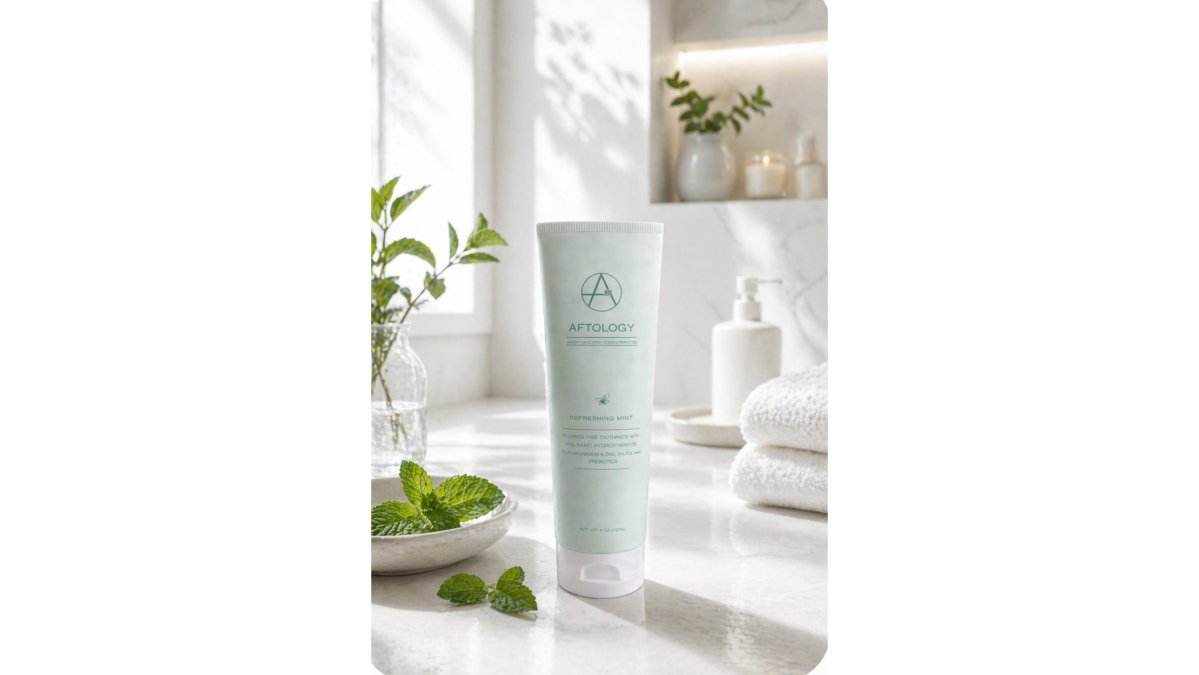
Aftology uses 10% nano-hydroxyapatite and 20 nm rods as deliberate formulation choices. Particle size matters alongside shape, dispersion, concentration, and the complete formula. Neither specification alone establishes superiority or a universal effectiveness threshold. Lower concentrations should not be dismissed as surface coating only without relevant comparative evidence.

| Formula | Specification | What to Consider |
|---|---|---|
| Hydroxyapatite products | Concentrations and particles vary | Evidence for the complete formula and desired outcome |
| Aftology | 10% nano-hydroxyapatite, 20 nm rods | Deliberate specifications, not a guarantee of relief or superiority |
| Fluoride products | Ingredients and concentrations vary | Fluoride supports remineralization and has established cavity-prevention evidence |
2. Salt Water Rinses: Limits and Advice
A dentist may suggest a salt water rinse for particular situations. Do not treat it as a proven solution for dentin sensitivity, infection, or structural damage. Follow professional advice rather than assuming a rinse combined with toothpaste guarantees lasting relief.
3. Oil Pulling: Not a Replacement for Care
Oil pulling is a traditional practice. Evidence limitations mean it should not be presented as a reliable treatment for sensitivity, gum disease, or microbiome health. It cannot regrow missing enamel and should not replace brushing, interdental cleaning, or dental assessment. Avoid assuming natural oil is risk-free or suitable for children or people who may swallow or aspirate it.
4. Green Tea: Beverage, Not Treatment
Green tea contains compounds studied for biological effects, but drinking tea is not established here as treatment for inflamed pulp, exposed dentin, or dental pain.
Laboratory Findings and Their Limits
Catechins such as EGCG are studied in laboratory settings. Such findings do not prove that drinking tea delivers an effective concentration to a painful tooth or treats the cause of symptoms.
Avoiding Unsupported Evidence Rankings
Different studies examine different preparations and outcomes. Without specific relevant evidence, this guide does not rank green tea, salt water, oil pulling, or clove oil as clinically effective sensitivity treatments.
If You Drink Tea
Choose a comfortable temperature if hot or cold drinks trigger pain. Avoid frequent added sugar. No particular number of cups is prescribed here for treating sensitivity, and tea does not replace recommended fluoride care.
Microbiome Claims
Laboratory antimicrobial effects do not automatically establish a healthier oral microbiome or less pain in normal beverage use.
5. Reducing Frequent Acid and Sugar Exposures
Reducing repeated acidic and sugary exposures can support tooth health. It does not guarantee that damage stops or that toothpaste rebuilds what has already been lost.
Acid Exposure
Acidic drinks and foods differ in erosive potential, and frequency and contact time matter. Do not treat every carbonated beverage as equally harmful. Discuss practical changes and brushing timing with your dentist, particularly with reflux or repeated vomiting.
Temperature Triggers Are Not a Diagnosis
Cold, heat, air, or sweet-food triggers can occur with different dental conditions. A trigger alone does not establish whether you have exposed roots, a crack, decay, or pulp inflammation. Note whether pain lingers or affects a particular tooth and share this with your dentist.
Sweet-Food Triggers
Sweet foods may provoke pain in sensitive teeth, but that symptom should not be assumed to reflect only exposed dentin. Decay and other causes may need assessment.
Daily Oral Care
Maintain gentle brushing and interdental cleaning, limit frequent sugary drinks, and follow dental advice about rinses. Do not stop a prescribed mouthwash because of an unsupported microbiome claim.
6. Clove Oil: Do Not Self-Treat Persistent Pain
Eugenol is used in some dental preparations, but that does not establish safe or effective home use of concentrated clove oil. It can irritate tissues and be harmful if swallowed. This guide does not recommend a do-it-yourself dilution or application schedule.
Ask your dentist or pharmacist about appropriate short-term pain management. Masking pain can delay treatment of decay, a crack, or infection.
7. Gentle Brushing
Use a soft-bristled brush and light pressure, covering all tooth surfaces for two minutes, twice daily. Clean between teeth with a suitable method. Replace a worn brush as recommended and ask for technique advice if brushing hurts.
Follow toothpaste age guidance and use directions. Spit rather than intentionally swallowing paste. Ask about brushing timing after acidic exposures rather than assuming an exact waiting period guarantees protection.
Frequently Asked Questions
May nano-hydroxyapatite toothpaste help sensitive teeth?
It may support remineralization and may help cover exposed dentin tubules, potentially helping manage sensitivity. Results depend on the formula and cause of symptoms. Ten percent is not a universal effectiveness threshold, and there is no fixed result timeline for everyone.
How does hydroxyapatite compare with fluoride?
Fluoride supports remineralization and has established cavity-prevention evidence. Hydroxyapatite is studied for remineralization and sensitivity management. Comparisons require specific formulas and outcomes; this guide does not establish universal equivalence or superiority. Ask before replacing recommended fluoride care.
Can natural remedies rebuild lost enamel?
No toothpaste or home remedy regrows missing enamel or restores a developed cavity. Remineralization can support early mineral loss in remaining structure. Tea, oil pulling, salt water, and clove oil should not be treated as substitutes for dental treatment.
Should I rinse after brushing with nano-hydroxyapatite?
Spit out excess toothpaste and follow product directions and dental advice about rinsing. This guide does not establish a required 30-minute particle-binding period. Persistent or worsening discomfort needs assessment rather than changes to rinsing intended to force a result.
Aftology's toothpaste uses 10% nano-hydroxyapatite and 20 nm rods as deliberate formulation choices. These details alone do not guarantee relief or gentleness for every user. Choose care based on your symptoms and dental needs, and have persistent pain assessed rather than relying on a purchase guarantee as evidence of treatment effectiveness.