

Table of Contents
- Why Some People Choose Fluoride-Free Oral Care
- Step 1: Choose the Right Fluoride-Free Toothpaste
- Step 2: Master Your Daily Oral Hygiene Routine
- Step 3: Optimize Your Diet for Cavity Prevention
- Step 4: Support Oral pH Balance and Saliva Production
- Step 5: Schedule Regular Professional Dental Check-Ups
- Natural Cavity Prevention Tips Beyond Daily Habits
- Common Mistakes to Avoid When Using Fluoride-Free Products
- Frequently Asked Questions
Last Updated: October 1, 2026
Why Some People Choose Fluoride-Free Oral Care
Some people choose oral care without fluoride because of personal preference or interest in other remineralizing ingredients. Fluoride-free does not automatically mean safer or better for your dental needs.
Brushing, cleaning between teeth, diet, saliva, and professional care all matter. If you have active decay, frequent cavities, or dry mouth, ask your dentist before replacing a recommended fluoride routine. No toothpaste or home-care routine guarantees that cavities will not develop.
Step 1: Choose the Right Fluoride-Free Toothpaste
Nano-hydroxyapatite is a calcium phosphate mineral similar to the mineral in teeth. It is studied for supporting remineralization and managing sensitivity. Evaluate evidence for the complete formula and the outcome you want to address.
Concentration is relevant, but 10% should not be described as a universal minimum or effectiveness threshold. Lower concentrations may also offer benefits; comparisons need evidence for the specific formulations rather than a percentage alone.
What to Look for in Fluoride-Free Formulas
- Concentration transparency: A disclosed percentage helps describe the formula, but higher concentration does not automatically mean better results.
- Particle size and shape: These are relevant formulation characteristics that can influence interaction with tooth surfaces. Aftology uses 20 nm rods as a deliberate formulation choice, not as proof that this size is universally optimal or that larger particles are ineffective.
- Suitable cleaning properties: Consider the complete formula and abrasivity rather than assuming every ingredient used as an abrasive is harmful.
- Comfort and directions: Check the complete ingredient list, age guidance, and directions. Seek advice if a formula causes irritation.
- Relevant evidence: Look for studies that identify the formulation, comparison, and outcome measured.
Aftology's 10% Nano-Hydroxyapatite Toothpaste uses 20 nm hydroxyapatite rods. Particle size matters to formulation design, alongside concentration, shape, dispersion, and the other ingredients. These specifications alone do not establish superiority over another finished product or guarantee an individual result.

Step 2: Master Your Daily Oral Hygiene Routine
Brushing twice daily is important. The goal is gentle, effective plaque removal rather than forceful scrubbing.
Brushing Technique for Maximum Plaque Removal
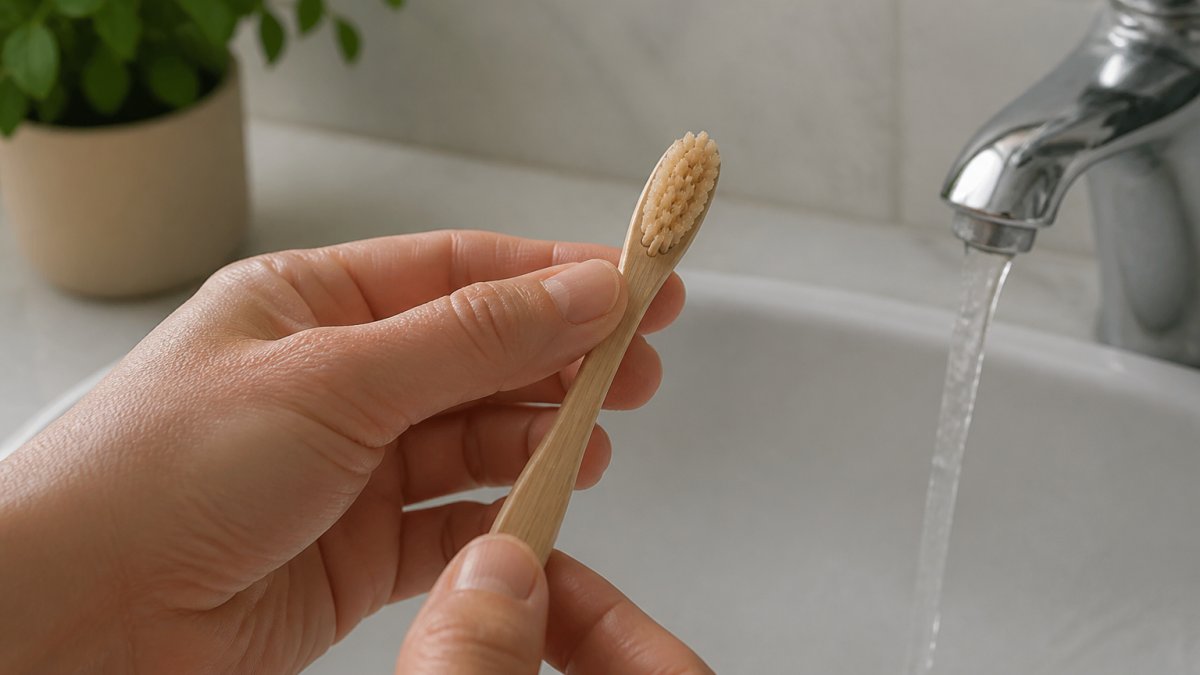
Use a soft-bristled toothbrush and gentle pressure. Brush all tooth surfaces for two minutes, including the gumline and back teeth. Ask your dentist or hygienist to demonstrate a technique suited to your mouth.
Clean your tongue gently if this is comfortable. A toothbrush with a timer or pressure sensor may help you maintain a consistent routine without brushing too hard.
If reflux, vomiting, or frequent acidic foods are a concern, ask your dentist about brushing timing and protective care. Do not assume a fluoride-free mouthwash neutralizes every acid exposure.
Interdental Cleaning and Flossing
Clean between teeth daily using floss, interdental brushes, or another tool recommended for your needs. Choose tools that fit comfortably and use them gently. Ask for guidance if you have braces, implants, bridges, difficulty reaching back teeth, or persistent bleeding.
Step 3: Optimize Your Diet for Cavity Prevention
Frequent sugar and acid exposure can challenge enamel health. Diet supports oral care but does not replace brushing or professional advice.
Nano-Hydroxyapatite Toothpaste →
Reduce Sugar Intake and Manage Acid Exposure
Limit frequent sugary snacks and avoid sipping sugary or acidic drinks over long periods. Water is a useful alternative. Rinsing with water can help clear food and drinks from the mouth, but it is not a guarantee against erosion.
Sugar-free gum may help stimulate saliva if chewing is appropriate for you. Ask your dentist about ongoing acid exposure from reflux or vomiting rather than relying on toothpaste alone.
Foods That Support Enamel Remineralization
A balanced diet supports overall health. Calcium, phosphorus, and vitamin D are relevant nutrients, but eating mineral-rich foods does not regrow missing enamel or treat a developed cavity. Seek individualized dietary advice if you have restrictions or concerns.
Step 4: Support Oral pH Balance and Saliva Production
Saliva helps buffer acids and supports natural remineralization. Stay hydrated according to your needs. If your mouth is persistently dry, ask your dentist or clinician about causes and suitable care.
Some medications contribute to dry mouth; do not stop them on your own. A mouthwash is not a replacement for addressing the cause or assessing your increased cavity risk.
Step 5: Schedule Regular Professional Dental Check-Ups
Your dentist can assess cavity risk, identify early decay, and recommend an appropriate review schedule. Do not assume a fixed interval is right for everyone or that symptom improvement proves your enamel is fully repaired.
Seek assessment for persistent sensitivity, pain, swelling, bleeding, or visible damage rather than waiting for a promised toothpaste timeline.
Natural Cavity Prevention Tips Beyond Daily Habits
Consistency matters, but natural or fluoride-free labeling is not proof of safety or effectiveness. Use products as directed, spit out toothpaste, and supervise children. Ask your dental care team about suitability for a child's age or during pregnancy.
Common Mistakes to Avoid When Using Fluoride-Free Products
Do not treat 10% as a universal effectiveness threshold, assume smaller particles are always better, or dismiss lower-concentration formulas without comparative evidence. Particle size is relevant, but the complete formulation and the clinical outcome still matter.
Toothpaste cannot regrow missing enamel, restore a developed cavity, or address every cause of pain. Fluoride supports remineralization and established cavity prevention; it should not be described as merely forming a surface coating.
Frequently Asked Questions
How does nano-hydroxyapatite compare to fluoride for enamel remineralization?
Fluoride supports remineralization and has established evidence for cavity prevention. Hydroxyapatite is studied for mineral deposition and sensitivity management. Comparisons depend on the formulations and outcomes measured, not concentration or particle size alone. Ask your dentist which routine suits your risk.
What should I look for in a fluoride-free toothpaste?
Look for clear ingredients, directions, relevant evidence, and suitability for your dental needs. Particle size and shape matter to formulation design; Aftology uses 20 nm rods and 10% nano-hydroxyapatite. Neither specification alone guarantees optimal performance or better results than lower-concentration products.
Can diet make a difference?
Reducing frequent sugar and acid exposure supports oral health alongside brushing, interdental cleaning, and professional care. Diet alone does not guarantee cavity prevention or replace treatment.
How often should I use fluoride-free toothpaste?
Brush twice daily and follow product directions. Maintain interdental cleaning and dental reviews at the interval recommended for you. Seek advice for persistent symptoms rather than assuming consistent use guarantees a particular result.